
Activists Targeted in Acid Attack After Opening Pop-Up Clinic in Warsaw
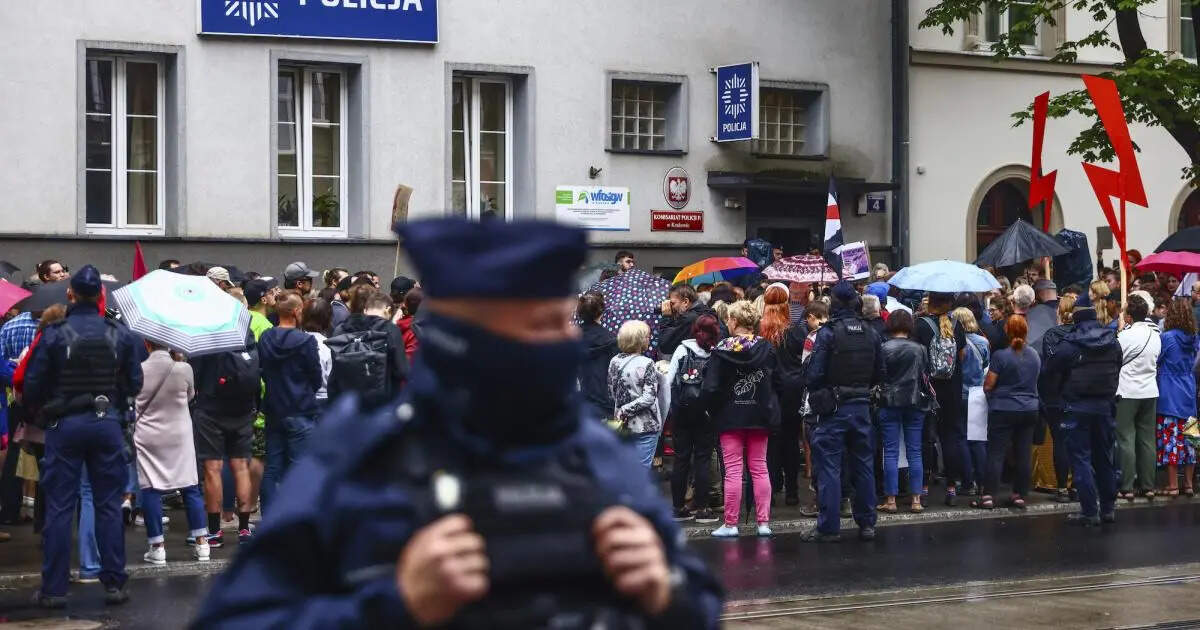
In an unprecedented and emotionally charged act of protest, women's rights activists in Poland opened a temporary pop-up abortion clinic just outside the country’s parliament building, aiming to challenge the nation's restrictive abortion laws and highlight the lack of reproductive healthcare access for Polish women. The act, both symbolic and practical, was immediately met with hostile backlash — culminating in an alleged acid attack by anti-abortion extremists, further intensifying the debate around reproductive rights, safety, and democracy in the country.
The clash, which unfolded in the heart of Warsaw, is now being seen not just as a protest, but a defining moment in Poland’s cultural and political battle over abortion rights. With both sides entrenched in their beliefs, the incident has triggered national outrage, sympathy, and renewed scrutiny of Poland's hardline policies.
Setting the Stage: A Pop-Up of Protest and Necessity
The idea behind the pop-up clinic was bold, simple, and deeply symbolic: to bring medical services to the doorstep of power. Spearheaded by a coalition of feminist organizations, the temporary clinic offered consultations, informational material, and virtual links to abortion services available abroad. It was not performing physical procedures on-site but instead acting as a symbolic space — offering support, solidarity, and visibility to a movement long pushed into the shadows.
Inside the tent were trained volunteers, gynecologists aligned with international pro-choice networks, and tablets with access to telehealth platforms where women could speak privately to professionals. The organizers stated that their goal was to break the silence, remove stigma, and force lawmakers to face the human cost of Poland’s near-total abortion ban.
Outside the clinic, supporters gathered holding signs reading “My Body, My Choice,” and “We Are Not Criminals.” Many women shared their personal stories through megaphones, speaking of fear, forced births, and unsafe travel abroad for medical procedures denied at home.
A Brutal Turn: The Acid Attack
But within hours of its peaceful opening, the demonstration turned violent. A man allegedly associated with a known anti-abortion group approached the tent, shouted inflammatory slogans, and threw a bottle containing a corrosive substance — suspected to be a form of acid — at the clinic’s entrance.
Though security staff and volunteers acted quickly, two activists sustained burns, and several others were treated for exposure and trauma. The tent was partially damaged, with medical and digital equipment inside rendered unusable. Bystanders, shocked and enraged, restrained the alleged attacker until authorities arrived.
Police confirmed that one individual had been detained in connection with the incident and stated that the nature of the substance was under investigation. Meanwhile, activists and opposition lawmakers condemned the attack as an act of terrorism driven by state-enabled extremism.
The State of Abortion in Poland
Poland’s abortion laws are among the strictest in Europe. In 2020, the country's Constitutional Tribunal ruled that abortion due to fetal abnormalities was unconstitutional, effectively banning over 90% of procedures that had been legally carried out. Currently, abortion is only allowed in cases of rape, incest, or when the mother’s life is at risk — and even in these rare cases, access is often obstructed by conservative hospitals and doctors invoking conscience clauses.
The law has left thousands of Polish women without access to safe, legal abortions. Many now rely on underground networks, international organizations, or travel to other countries like the Netherlands or Germany. The psychological, financial, and physical toll of this forced silence has been devastating for many.
The pop-up clinic protest, while symbolic, was born out of this desperation and defiance. Organizers argued that when the legal system fails its citizens, civil resistance becomes a moral obligation.
A Nation Divided: Reactions to the Attack
Reactions to the incident were swift and polarised.
Women’s rights organizations across Europe issued statements of solidarity, calling the acid attack an assault on human rights and democratic protest. Activists in Warsaw held a candlelight vigil for those injured and demanded justice, chanting slogans like “Not one more drop of fear.”
Opposition politicians condemned the attack and criticized the ruling government for creating a climate of hatred, where women's health advocates are branded as criminals or enemies of the state. Some MPs demanded increased protection for peaceful protesters and an official inquiry into extremist groups operating under religious banners.
However, several conservative voices — including those aligned with Poland’s ruling party — accused the protest of being a provocation, calling it “blasphemous” and “dangerous.” They denied that the attacker was affiliated with any legitimate organization and instead blamed “foreign-funded provocateurs” for inciting unrest.
The Role of the Catholic Church
The Catholic Church remains a powerful institution in Polish society and politics. It has been a key supporter of anti-abortion legislation, often framing the issue as one of moral and national identity. Church leaders have repeatedly condemned pro-choice protests, calling them signs of a decaying secular culture.
However, younger generations in Poland are increasingly disillusioned. Many youth-led groups see the Church as interfering with democracy, and protests in recent years have included slogans directly opposing the Church’s influence.
This growing divide between conservative religious institutions and younger, urban, liberal populations is reshaping Poland’s political landscape — and incidents like the pop-up clinic only amplify the generational and ideological fault lines.
Voices of Resistance: “We Will Not Be Silenced”
In the wake of the attack, one of the injured activists, speaking from a hospital bed, vowed to continue the fight. “They can burn down our tents, but they can’t burn our voices,” she said. “We will build again. We will come again. Women’s rights are human rights.”
Others echoed her determination. Plans are already underway for more mobile clinics, international solidarity protests, and a mass march for reproductive freedom in Warsaw next month.
Digital platforms have seen a surge in support, with thousands of women sharing their abortion stories under the hashtag #WeAreNotSilent.
A Moment That May Redefine a Movement
The attack on the pop-up abortion clinic outside Poland’s parliament is more than an act of violence. It has become a symbolic flashpoint in the nation’s long-running war over women’s autonomy, bodily rights, and democracy itself.
At stake is not just access to abortion — but the freedom to dissent, to protest, and to be heard in a society increasingly polarized between authoritarian control and grassroots resistance.
As Poland stands at this crossroads, one thing is certain: the battle lines are drawn not just in law books or courtrooms, but on the streets, in tents, and in the hearts of those who refuse to surrender their voice.